Planning a gap year is exciting. Whether you're dreaming of exploring somewhere new, getting involved in conservation, experiencing a different culture or doing something that genuinely makes a difference, it's a chance to step outside your comfort zone and discover what you're capable of.
But before you book your flights, pay a deposit or commit to a programme, it's worth doing a little homework.
With so many gap year companies, destinations and programmes to choose from, knowing what to look for can make all the difference between simply going travelling and having an experience that stays with you long after you return home.
So, if you're starting to research gap year programmes, here's our practical gap year booking checklist, with the questions worth asking before you commit.
It's easy to be drawn in by beautiful photographs, exciting destinations and promises of adventure. But what does the experience actually involve?
Before booking, find out:
A good gap year programme should offer more than a list of activities. Think about what you want to get out of the experience. Perhaps it's learning about wildlife conservation, contributing to community projects, developing independence or gaining a better understanding of another culture.
Look beyond the itinerary and consider what you'll take away from it.
If you're travelling independently for the first time, knowing who is looking after the practical arrangements is important. And if you're a parent researching gap year companies on behalf of your son or daughter, this is likely to be high on your list too.
Ask:
It's also worth finding out how much experience the organisation has of running programmes in that particular destination.
You want to feel confident that there are knowledgeable people on the ground who understand the location, the culture and the practicalities of looking after a group of young travellers.
Gap year prices can vary considerably, so it's important to understand exactly what you're paying for.
Don't just compare the headline price. Ask for a breakdown of what's included.
Check whether the programme covers:
And just as importantly, what's not included?
You may need to budget separately for international flights, travel insurance, visas, vaccinations, spending money and some meals.
A cheaper programme isn't necessarily better value if lots of essential elements are charged separately.
Our tip: Ask for a realistic estimate of the additional costs you'll need to budget for before you book.
Meaningful travel is about more than visiting somewhere new. It's about understanding the place you're visiting, respecting its culture and making a positive contribution where possible.
If you're considering a volunteering or community-based gap year programme, it's particularly important to understand how the projects operate.
Questions worth asking include:
Be cautious of programmes that make big promises about changing lives without explaining how their projects work.
The best experiences are built on meaningful relationships, mutual respect and long-term partnerships, rather than simply providing activities for visiting volunteers.
At The Leap, we believe meaningful travel should bring together three things: Challenge, Culture and Contribution.
It's about challenging yourself, immersing yourself in a different culture and contributing to projects with a genuine purpose.
Group size can have a huge impact on your gap year experience.
Some people love the idea of travelling with a larger group, while others prefer something smaller where it's easier to get to know everyone.
Ask:
A well-organised group experience can be a brilliant way to make friends, particularly if you're travelling on your own.
You'll be sharing new experiences, overcoming challenges and discovering a new place together. Often, the friendships you make become one of the most memorable parts of the entire trip.
You certainly don't need to find a friend to come with you.
In fact, many people book a gap year independently. It can be one of the best ways to meet new people, build confidence and develop your independence.
But it's worth understanding how the organisation helps solo travellers settle in.
Find out:
A good programme should make it easy to feel part of the group, even if you've never met anyone before.
And remember, everyone is in the same boat. Many of the people you'll meet will have booked their place without knowing a single other person.
Accommodation is an important part of your experience, particularly if you're spending several weeks away.
Find out what type of accommodation you'll be using and what facilities are available.
Questions to ask:
Don't expect every gap year destination to offer the same standards or facilities as home. Part of the adventure is experiencing a different way of life.
However, you should always know what to expect before you arrive.
Safety should never be an afterthought when choosing a gap year company.
Ask about the organisation's approach to participant welfare, risk management and emergency procedures.
For example:
If you're under 18, it's particularly important to understand the level of supervision provided and how the organisation communicates with parents.
You should feel comfortable asking detailed questions. A reputable organisation will be happy to explain its safeguarding and safety arrangements.
A gap year can be so much more than a break between school and university.
Think about what you want to achieve during your time away and how the experience might help you in the future.
You could develop:
These are all transferable skills that universities and employers value.
It's also worth asking whether you'll have opportunities to reflect on what you've learnt and how you can use those experiences in your UCAS application, CV or future job interviews.
The best gap year experiences give you plenty of real examples to talk about when someone asks: "Tell me about a time when you showed initiative" or "Describe a challenge you've overcome."
Life doesn't always go to plan, so make sure you understand the booking terms before committing financially.
Check:
Read the terms and conditions carefully and make sure you understand the refund arrangements.
You should also check that your travel insurance covers the activities you'll be undertaking and any relevant cancellation circumstances.
This is perhaps one of the most important questions of all.
Websites and brochures can tell you a lot, but having a conversation with the organisation can help you understand whether the programme is right for you.
A good gap year company should be happy to answer your questions, talk through the itinerary and explain what you can realistically expect.
Look for opportunities to:
Most importantly, don't feel pressured into booking before you're ready.
You should feel informed, confident and excited about your decision.
Before you commit, run through this quick checklist:
Choosing a gap year is a big decision, but it should also be an exciting one.
The right programme will give you the opportunity to experience somewhere completely different, meet people from all walks of life, challenge yourself and develop skills that will stay with you for years to come.
At The Leap, we believe a gap year should be about more than ticking destinations off a list. Our programmes combine Challenge, Culture and Contribution, giving young people the chance to experience the world while developing confidence, independence and a greater understanding of the people and places around them.
Whether you're interested in community projects in Kenya, conservation and adventure in Costa Rica, or exploring the culture of Cambodia and Peru, there's a Leap waiting for you.
And you don't need to have everything figured out before you start.
Explore our gap year programmes or get in touch with our team to chat about finding the right experience for you.
Your gap year could be the start of something brilliant.

Step into a world of ancient temples, vibrant villages, and lush landscapes on our 4-week Cambodia programme. This is your chance to go beyond the tourist hotspots and immerse yourself in the country’s rich history and inspiring community projects.

Swap the ordinary for the extraordinary - explore Costa Rica’s vibrant rainforests, rugged coastlines, and cloud forests while making a real difference. Our 4-week programme blends hands-on conservation work with adrenaline-fuelled adventure, taking you off the beaten track to work with turtles, restore ecosystems, and support local communities.

From the savannahs of the Maasai Mara to the turquoise waters of the Indian Ocean, Kenya is a land of breathtaking beauty, rich culture, and impactful conservation work. Our 4-week programme combines wildlife conservation, community engagement, and adventure, giving you the chance to experience Kenya in a way that few travellers do.
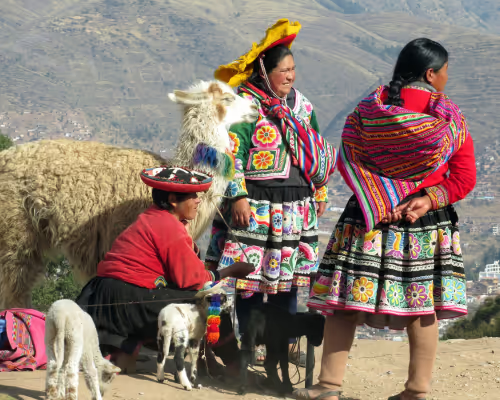
From the mystical Andes to the Amazon rainforest, Peru is a country of breathtaking landscapes, rich history, and vibrant culture. Our 3-week programme takes you off the beaten track, where you’ll contribute to community and conservation projects, while embracing adventure in one of South America’s most iconic destinations.