.svg)


A gap year is an opportunity to step outside your comfort zone, discover new places and learn things you simply can’t get from a classroom. But when it comes to planning your adventure, there’s one big decision to make: should you join a structured gap year programme or head off backpacking independently?
Both offer incredible opportunities to explore the world, meet new people and gain valuable life experience. The right choice depends on your personality, your plans and what you want to get out of your time away.
Here’s what to consider before deciding.
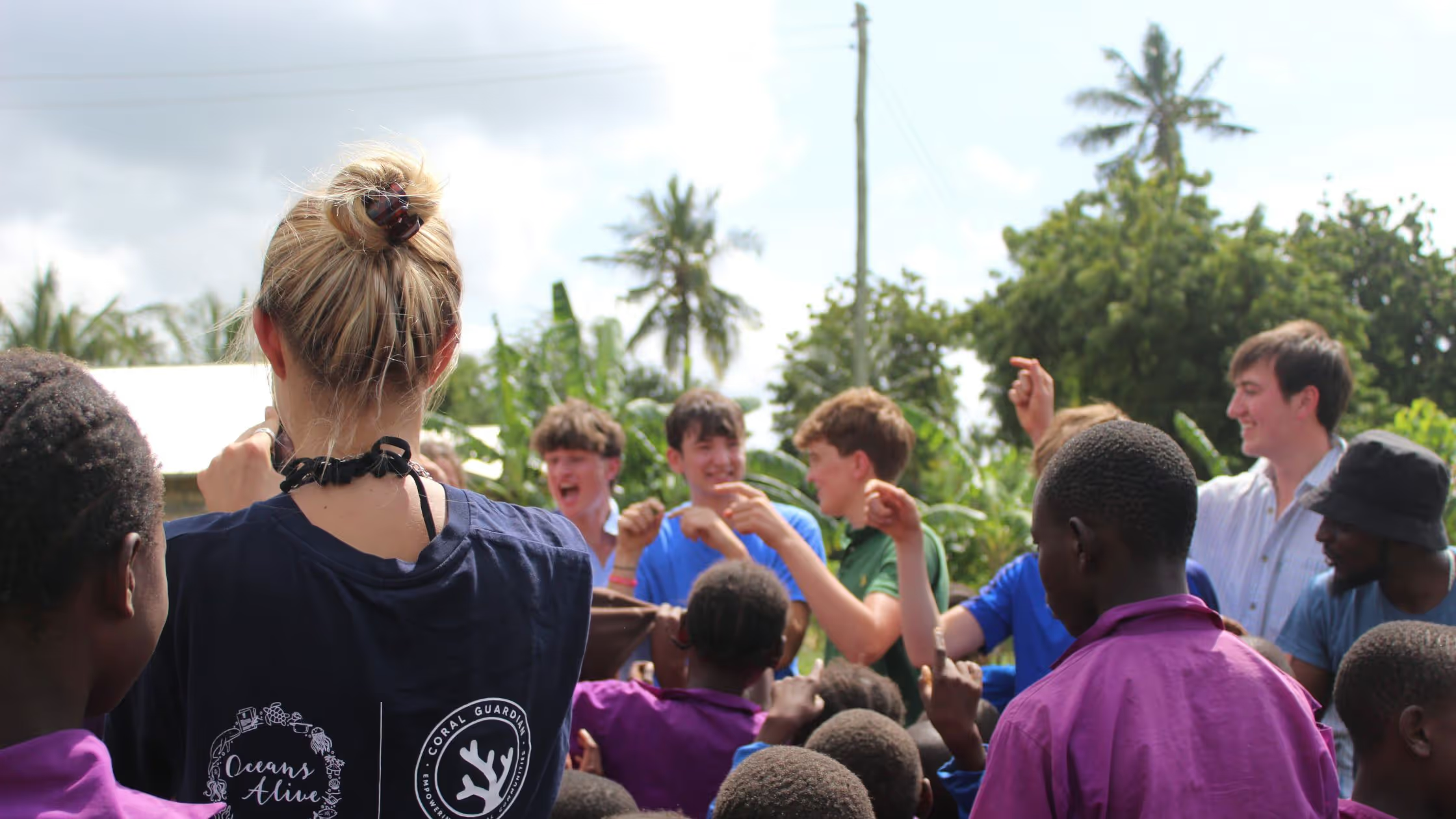
A gap year programme combines travel with purposeful experiences, giving you the opportunity to explore a destination while taking part in activities such as community projects, environmental conservation and cultural exchanges.
Rather than organising every detail yourself, much of the planning is taken care of for you. Depending on the programme, this can include accommodation, activities, in-country support and an itinerary designed to help you get the most out of your experience.
At The Leap, our philosophy is built around three things: Challenge, Culture and Contribution. We believe travel should be about more than seeing somewhere new. It should help you develop confidence, discover different perspectives and make a positive contribution along the way.
For anyone travelling abroad for the first time, a structured programme can also provide reassurance, with a team and fellow travellers alongside you as you navigate a new environment.
Backpacking is all about freedom. You choose where to go, how long to stay and what to do next. Your itinerary might involve travelling between countries, discovering hidden beaches, exploring cities or following recommendations from people you meet along the way.
It can be an amazing way to develop independence, problem-solving skills and confidence. You learn to manage your money, navigate unfamiliar places and adapt when things don't go to plan.
However, that freedom comes with responsibility. You'll need to research destinations, organise transport and accommodation, manage your budget and make decisions about your own safety.
For experienced travellers who enjoy planning and are comfortable navigating unfamiliar situations, independent backpacking can be incredibly rewarding.
Backpacking: You're in charge of your itinerary. Fancy staying an extra week somewhere you love? You can. Want to change direction completely? That's up to you.
Gap year programmes: There's usually a planned itinerary, with activities and experiences organised in advance. Some programmes offer free time or optional activities, but you'll have less flexibility than travelling independently.
Which is right for you? If you love spontaneity and making decisions as you go, backpacking could be a great fit. If you'd prefer a balance of adventure and organisation, a programme may suit you better.
Backpacking: You're responsible for researching your destinations, making travel arrangements and deciding how to handle unexpected situations. Travelling independently can be perfectly manageable, but preparation and good judgement are essential.
Gap year programmes: Support varies between providers, so it's important to understand exactly what's included. Look at the level of in-country support, emergency procedures, accommodation arrangements and whether anyone accompanies the group between destinations.
For younger travellers, these details are particularly important. At The Leap, our Under 18 programmes include a chaperone travelling with the group from Heathrow, giving young people support from the start of their adventure.
Which is right for you? If this is your first time travelling abroad without family, having a support network can make the experience feel much more manageable.
Backpacking: Hostels, tours and shared experiences make it easy to meet other travellers. You'll encounter people from all over the world, although friendships can sometimes be short-lived as everyone moves on.
Gap year programmes: You'll usually travel with a group of people who have chosen a similar experience. Sharing challenges, exploring new cultures and working towards common goals can help you build strong friendships.
Which is right for you? If the thought of arriving somewhere new and having to make friends feels daunting, joining a group can be a great way to start your adventure with a ready-made community.
It's tempting to assume backpacking is always cheaper, but the reality depends on how you travel.
Backpacking: You can control your spending by choosing budget accommodation, cooking your own meals and using affordable transport. However, flights, insurance, activities, transfers and unexpected expenses can quickly add up.
Gap year programmes: You'll generally pay an upfront programme fee, which may cover accommodation, activities, transport and support, depending on the package. You'll still need to budget for anything excluded, such as flights, meals or spending money.
Which is right for you? Compare the total cost rather than just the headline price. Make a list of what's included, what's extra and how much spending money you'll realistically need.
Both options can help you develop valuable life skills, from communication and adaptability to confidence and independence.
Backpacking: You'll learn by making your own decisions, solving problems and taking responsibility for your plans.
Gap year programmes: Alongside developing independence, you may have opportunities to work collaboratively, take part in community or environmental projects and learn about issues affecting the places you visit.
These experiences can give you useful examples to draw on when writing a CV, preparing for university applications or talking about your skills in an interview.
It's not simply about where you've travelled. It's about what you've learned, how you've grown and how you can explain that to others.
You don't have to choose between a highly structured experience and organising every detail yourself.
A gap year programme can be a brilliant stepping stone towards greater independence. You still experience new cultures, navigate unfamiliar environments and challenge yourself, but with a framework of support around you.
And if you're considering backpacking later in your gap year, a programme can be a way to build confidence before setting off independently.
For parents, it can also offer reassurance that their young person is embarking on an adventure with clear arrangements and appropriate support, rather than having to work everything out alone.
Before booking anything, take a moment to think about what you really want from your gap year.
There isn't a right or wrong answer. The best gap year is one that suits you.
If you crave complete freedom, enjoy planning and feel confident navigating unfamiliar situations, independent backpacking could be the perfect adventure.
If you'd prefer a balance of exploration, organised experiences, new friendships and support along the way, a gap year programme could be a better fit.
And remember, the two aren't mutually exclusive. You could start with a structured programme, build your confidence and then continue travelling independently.
At The Leap, we believe a gap year should be about more than ticking destinations off a list. It's an opportunity to challenge yourself, immerse yourself in different cultures and contribute to something meaningful, while discovering just how much you're capable of.
Ready to start planning your gap year?
Explore The Leap's gap year programmes and discover where your next adventure could take you.
Read next: Costa Rica Gap Year: Surround Yourself With Nature

Step into a world of ancient temples, vibrant villages, and lush landscapes on our 4-week Cambodia programme. This is your chance to go beyond the tourist hotspots and immerse yourself in the country’s rich history and inspiring community projects.
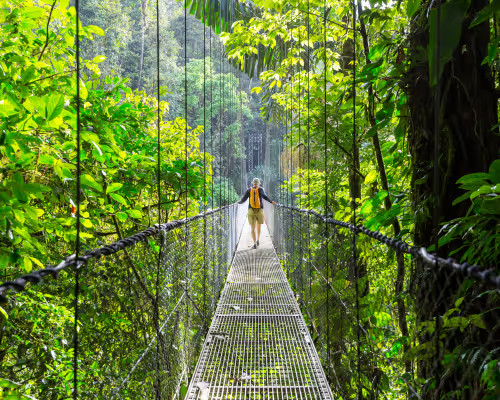
Swap the ordinary for the extraordinary - explore Costa Rica’s vibrant rainforests, rugged coastlines, and cloud forests while making a real difference. Our 4-week programme blends hands-on conservation work with adrenaline-fuelled adventure, taking you off the beaten track to work with turtles, restore ecosystems, and support local communities.



.avif)